Lorem ipsum dolor sit amet, consecte adipi.
Suspendisse ultrices hendrerit a vitae vel a
sodales. Ac lectus vel risus suscipit sit amet
hendrerit a venenatis.

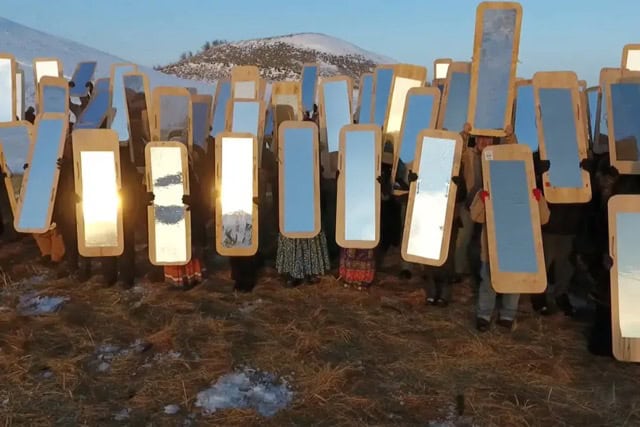
Featuring works by contemporary artists from around the world, Dream Sequences is a three-day, looped screening of video, performance, and other moving images exploring Indigeneity across borders and beyond nation states. Artists included in this program deploy experimental modes of storytelling to articulate their rootedness and reconnections to homelands, culture, and political concerns. Bringing together these renowned artistic voices, Dream Sequences reimagines how poetic, non-linear, and speculative narratives illuminate Indigenous worlds on a global scale. Taken collectively, these works propose a future where dreamscapes, ceremony, and ancestral technologies of resistance inform our responses to contemporary issues and move us toward sovereign Indigenous futures. Dream Sequences is co-organized by Siera Hyte (Cherokee Nation), Schiller Family Curator of Indigenous American Art and Federico Cuatlacuatl (Nahua), artist and Horace W. Goldsmith Distinguished Teaching Associate Professor in the Humanities at the University of Virginia, in recognition of the opening of the 10th annual Pocahontas Reframed Film Festival.

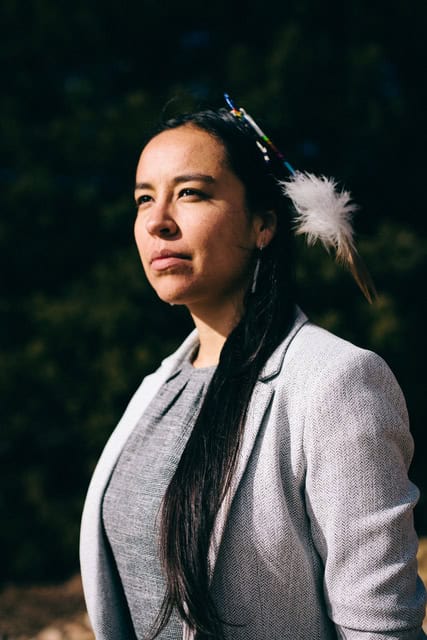
Dr. Lyla June Johnston (aka Lyla June) is an Indigenous musician, author, and community organizer of Diné (Navajo), Tsétsêhéstâhese (Cheyenne) and European lineages. Her multi-genre presentation style has engaged audiences across the globe towards personal, collective, and ecological healing. She blends her study of Human Ecology at Stanford, graduate work in Indigenous Pedagogy, and the traditional worldview she grew up with to inform her music, perspectives and solutions. Her doctoral research focused on the ways in which pre-colonial Indigenous Nations shaped large regions of Turtle Island (aka the Americas) to produce abundant food systems for humans and non-humans.
Topic:What is the State of Indigenous Filmmaking on Turtle Island (North America)

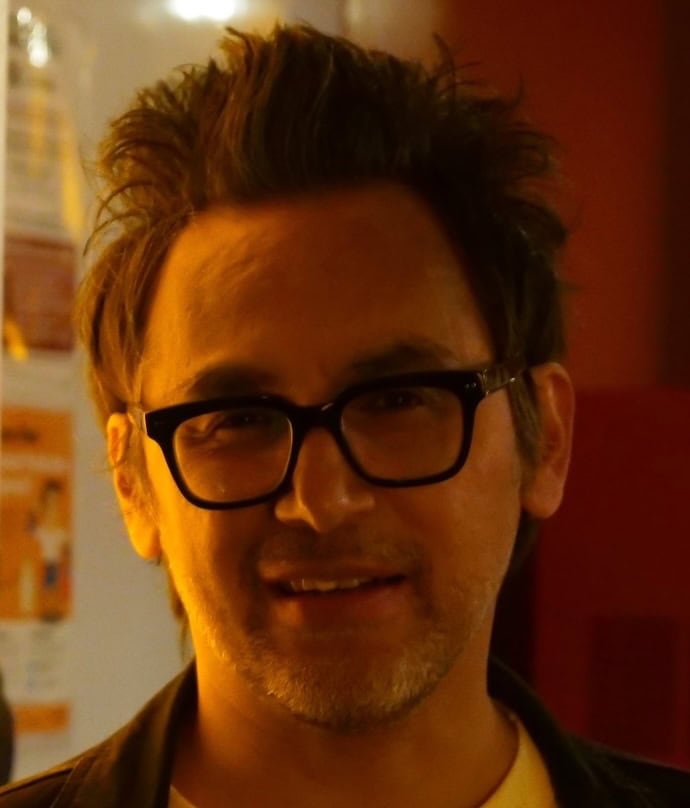
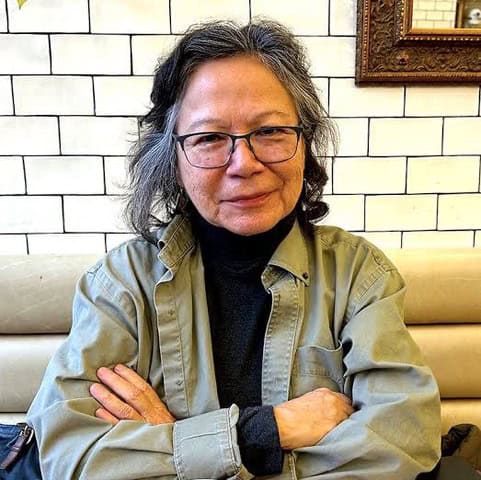
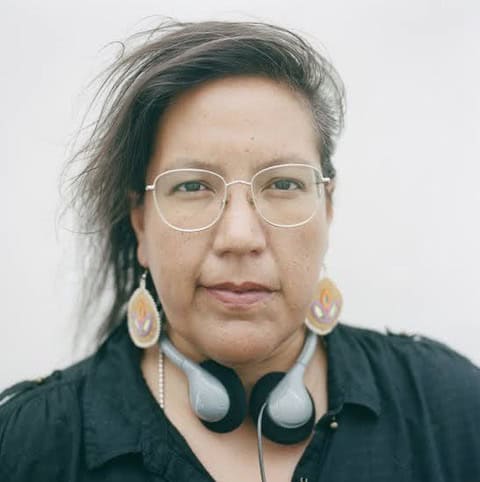
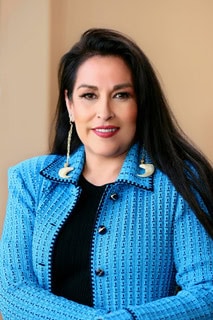
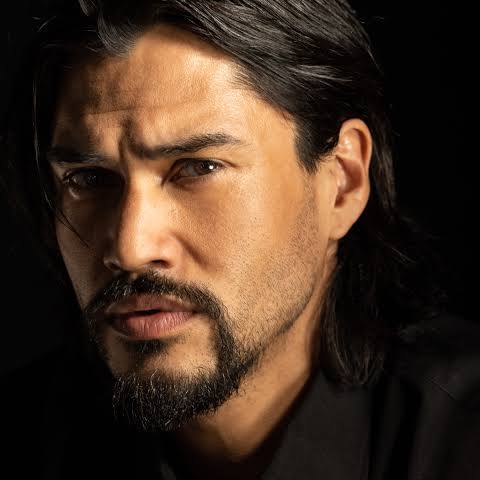
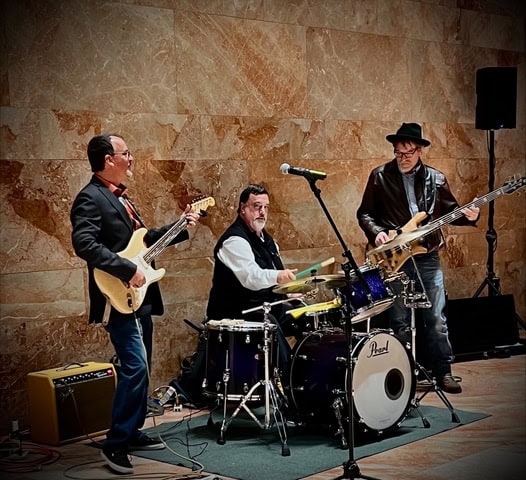

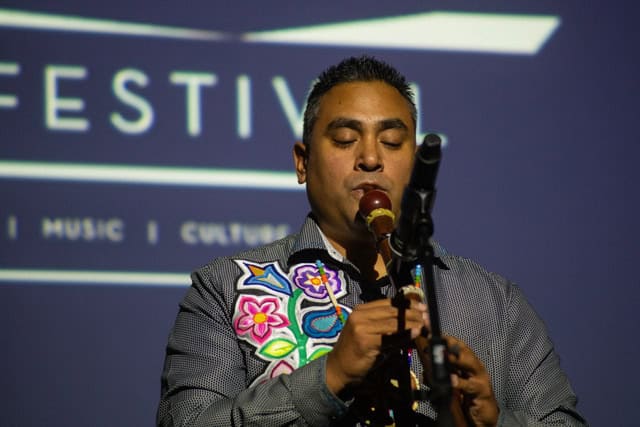
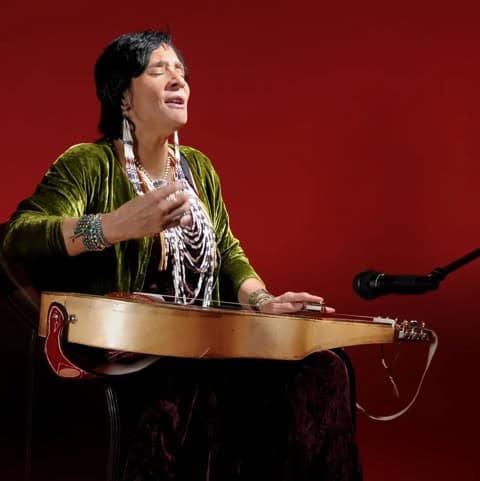
Although she was originally born and raised in New York City, Pura Fé has chosen to lay her guitars in Saskatchewan, Canada. Pura Fé, an heir to the Tuscarora Indian Nation, is an artist, an activist, and much more. She still draws a large part of her inspiration from her rich First Nation heritage when she writes about today’s problems.
Darren Thompson is an Ojibwe flute player and multi-media journalist from the Lac du Flambeau Ojibwe Indian Reservation in northern Wisconsin. He has served communities and movements in cultural, creative, and resourceful ways that address American Indian cultural revitalization, history, and partnership.
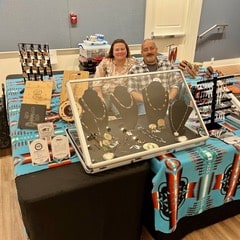
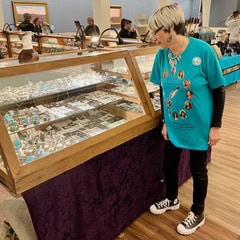
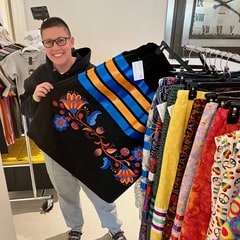
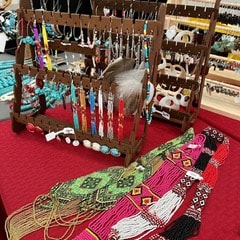
The Marketplace will be Saturday-Sunday only. All vendors are Indigenous and will only display and sell culturally appropriate and/or Indigenous-made products, goods, or services. Vendors will be able to accept electronic payments during the event.
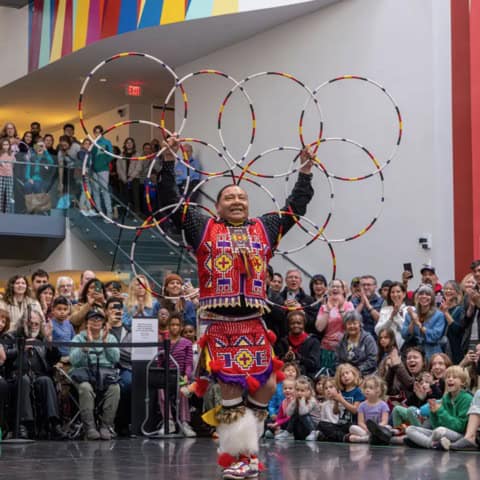
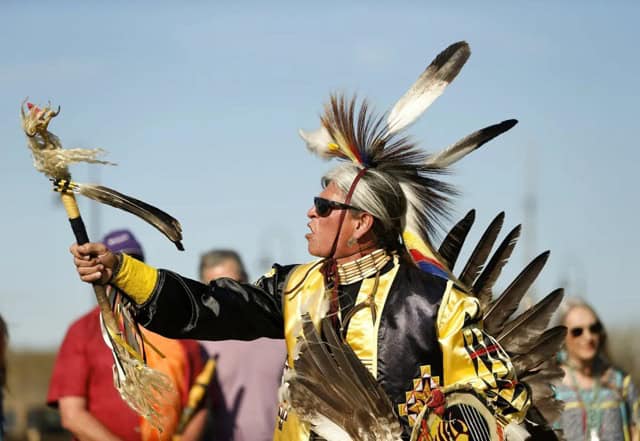
Performing at the Family Day Powwow will be the Tsenacommacah Intertribal Dance Group and the LoneEagle Singers representing the Upper Mattaponi, Chickahominy, Mattaponi, and Haliwa-Saponi tribes.
World Hoop Dance Champion Moontee Sinquah’s performance will blend traditional Hopi ceremonial dances for rain and peace, with contemporary singing styles. Moontee is from the Hopi, Tewa, and Choctaw Nations and is a member of the Hopi Water Clan.
Master of Ceremonies Sam Bearpaw is a Champion Pow Wow Dancer in the categories of Men’s Northern Traditional Dance and Prairie Chicken Dance.
Tribal Highways: 27m 55s
Navajo Highways Episode 1: 15m 23s
Navajo Highways Episode 2: 15m 17s
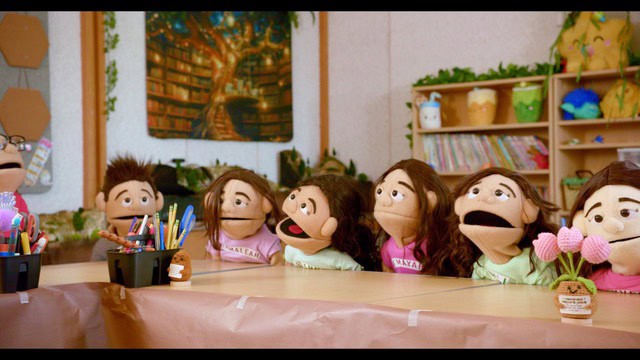
Three family appropriate films for children of all ages.The concept of the show is to create a platform for a younger generation of Navajo children to learn the Navajo language and culture. The show will be lead by Muppet-like puppets who will learn along with the audience.
The Director of Tribal Highways just received two Emmy awards for his PBS project “Navajo Highways” which is the show which inspired Tribal Highways.
Learn about seed saving and food sovereignty for families with Amyrose Foll. She founded The Virginia Free Farm, which works to provide free nutrient-dense food assistance to those in need, and plants and seeds (free of charge) to community gardens, schools, tribes, and community-based organizations. Amyrose’s background in healthcare is what prompted her to begin advocating for food sovereignty, security, and preservation of indigenous food culture through seed saving & distribution.